
Why Study MBBS in Russia? Honest Pros & Cons for Indian Students (2026)
Every year, thousands of NEET-qualified students from Ahmedabad, Surat, Rajkot and Vadodara ask us the same question: why study MBBS in Russia when there are so many other countries to choose from? Russia has been the most popular MBBS destination for Indian students for decades. But it is not the right fit for every student.
This guide gives you an honest picture: the real advantages, the real disadvantages, and how to decide whether Russia suits your child. We are Doctor’s Direction, an MBBS abroad consultancy in Ahmedabad, Gujarat, and we tell families the downsides upfront, before they spend a single rupee. For fees, university lists and the admission process, see our full MBBS in Russia for Indian students guide.
Is MBBS in Russia Good for Indian Students?
Yes, for most students. Russia is a good choice for Indian students who have qualified NEET, have a total budget of roughly ₹20–40 lakh for six years, and are ready for cold weather and some Russian language learning. The degree is valid in India if the university and course follow the NMC’s Foreign Medical Graduate Licentiate (FMGL) Regulations, 2021, and the student clears the licensing exam on return.
Russia is a weaker fit for students who cannot handle extreme cold, are not willing to study a new language for clinical work, or will not commit to preparing for the licensing exam alongside their degree.
Pros of MBBS in Russia – 7 Real Advantages
1. Government Universities with Long Medical Histories
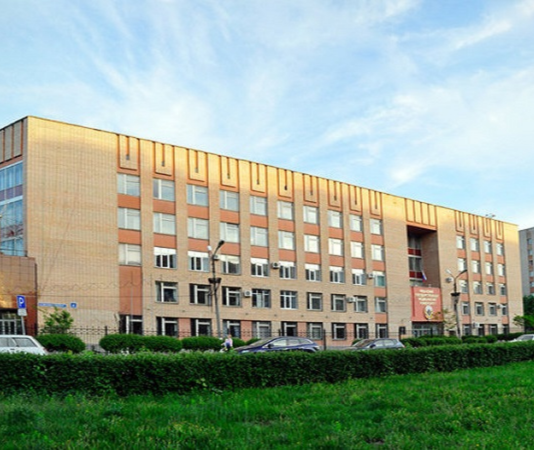
Most Russian medical universities that admit Indian students are government-run, and many have been teaching medicine for 50–100+ years. Universities like Kazan, Kursk, Tver and Voronezh have trained international students for decades. That means established hospitals, labs and teaching systems, not a new private college still building its campus. See our list of top NMC-compliant universities in Russia.
2. Affordable Fees, No Donation or Capitation
Tuition at most Russian government universities ranges from about ₹3–5 lakh per year. The total 6-year cost, including hostel and living expenses, typically falls between ₹20–40 lakh depending on the university and city. Compare that with ₹50 lakh to ₹1.5 crore at many private medical colleges in India. There is no donation and no management quota.
For a Gujarat family, that difference often decides whether the child becomes a doctor at all. We have compared both routes in detail in MBBS abroad vs private medical college in India.
3. Admission Is Based on NEET Qualification, Not Rank
Russian universities do not run a separate entrance exam for Indian students. You need to qualify NEET (as required by NMC) and meet the 50% PCB requirement in Class 12 (40% for reserved categories). There is no rank-based cut-off war, so a student with a modest NEET score can still get a seat at a good government university. Read more in MBBS abroad with a low NEET score.
4. Course Structure Matches NMC Requirements
NMC’s FMGL Regulations require a minimum 54-month course plus a 12-month internship at the same foreign university, taught in English. The standard Russian General Medicine programme runs six years, which comfortably covers these requirements at compliant universities. Always confirm the specific programme’s compliance before admission; our NMC rules guide explains each condition.
5. Large Indian Student Community
Russia has one of the largest Indian student populations of any MBBS destination. In 2024 alone, over 11,000 Russia-educated graduates appeared for the FMGE in India. A big Indian community means Indian mess options, festival celebrations, seniors who guide juniors, and parents who feel reassured knowing their child is not alone.
6. Strong Clinical Exposure in Large Government Hospitals
Russian universities attach students to large government hospitals with high patient flow. From the third year onward, students rotate through departments and see a wide range of cases. That exposure helps both the FMGE and real-world practice, provided the student can talk to patients (see the language point below).
7. Globally Recognised Degree
Graduates receive a Diploma of Doctor of Medicine (General Medicine), which Indian students commonly treat as MBBS-equivalent. Recognised Russian universities are listed in the World Directory of Medical Schools, which opens future options like USMLE (USA) or PLAB (UK) for students who want to explore them.
Cons of MBBS in Russia – What Consultants Often Don’t Tell You
1. FMGE Pass Rate Is Still a Challenge
This is the most important point. To practise in India, a foreign graduate must clear the FMGE (Foreign Medical Graduate Examination). NMC has postponed the NExT exam, so FMGE remains the licensing route for now. In 2024, Russian graduates had a pass rate of 29.54% (3,331 passed out of 11,276 who appeared), as per NBEMS data.
| Country | Appeared (2024) | Passed (2024) | FMGE Pass % |
| Georgia | 4,221 | 1,505 | 35.66% |
| Russia | 11,276 | 3,331 | 29.54% |
| Kazakhstan | 5,018 | 1,261 | 25.13% |
| Kyrgyzstan | 15,135 | 3,792 | 25.05% |
Source: NBEMS FMGE 2024 country-wise data (combined June + December sessions).
Remember that country averages hide big differences between universities. The real deciding factor is the student’s own preparation. Students who start FMGE preparation from the second or third year clear it far more often than those who start after graduation. Read how to practise in India after MBBS abroad for the complete licensing path.
2. Russian Language Is Needed for Clinical Years
Classes are taught in English at NMC-compliant programmes, but patients in Russian hospitals speak Russian. From the third year onward, students who cannot talk to patients learn far less from clinical postings. Russian is taught as a subject in the first years. Treat it seriously; it directly affects how much you learn.
3. Extreme Winters
For students coming from Gujarat, where summers cross 45°C, Russian winters are a big adjustment. In many cities, winter temperatures stay well below 0°C for months, and in some regions they drop to -20°C or lower. Hostels and hospitals are well heated, but students need proper winter clothing (budget around ₹20,000–30,000) and time to adapt.
4. Vegetarian and Jain Food Takes Effort
Local Russian food is largely non-vegetarian. Most universities with many Indian students have Indian mess facilities, and students can cook in hostel kitchens. Strict Jain diets need more planning. Gujarati families should ask specifically about the mess at the chosen university before admission, not after.
5. Fee Payment Needs Care
Since 2022, several Russian banks have been cut off from the SWIFT network, so international transfers can take longer or need specific banking routes. Always pay fees directly to the university’s official account and keep receipts. Never pay large amounts in cash to an agent. Our guide on MBBS abroad scams and red flags explains what to watch for.
6. Distance and Travel Time
There are no direct flights from Ahmedabad to most Russian university cities. Students usually connect through Delhi or Mumbai, then Moscow, and then take a domestic flight or train. A one-way trip often costs ₹40,000–60,000 and can take a full day, so most students come home once a year.
7. Quality Varies Between Universities
Russia has dozens of universities admitting Indian students, and they are not all equal. Clinical exposure, Indian student support, English teaching quality and FMGE results vary widely. Choosing the right university matters more than choosing the country.
Pros vs Cons of MBBS in Russia at a Glance
| Factor | Pros | Cons |
| Fees | ₹20–40 lakh total, no donation | Payment transfers need care |
| Admission | NEET-qualified, no entrance exam | Must choose an NMC-compliant programme |
| Academics | Old government universities, big hospitals | Quality varies by university |
| Licensing in India | Valid with FMGL compliance | FMGE pass rate ~30% (2024) |
| Language | English-medium teaching | Russian needed for patients |
| Living | Large Indian community, Indian mess | Harsh winters, limited Jain food |
Who Should Choose MBBS in Russia – and Who Should Not
Russia Is a Good Fit If You:
- Have qualified NEET and scored at least 50% in PCB in Class 12
- Have a family budget of roughly ₹20–40 lakh for the full course
- Want a government university with a long track record
- Are disciplined enough to start FMGE preparation early
- Can adapt to cold weather and are willing to learn basic Russian
Consider Another Country If You:
- Need a milder climate (Georgia is milder; see MBBS in Russia vs Georgia)
- Are uncomfortable learning a new language for hospital work
- Need a strict Jain diet and cannot cook for yourself
- Have a tighter budget and want to compare MBBS in Kazakhstan
How Gujarat Families Can Reduce the Risks
Most of the problems above are manageable with the right planning. This is what we do for every student at Doctor’s Direction in Ahmedabad:
- Verify NMC compliance: we check the programme’s duration, English medium and internship structure against the FMGL Regulations before shortlisting.
- Shortlist by FMGE outcomes: we look at each university’s track record, not just the country average.
- Check the Indian mess: for vegetarian and Jain students, we confirm the food arrangements in advance.
- Pay the university directly: all fees go to the university’s official account, with receipts.
- Pre-departure briefing: students and parents from Ahmedabad, Gandhinagar, Surat, Rajkot and Vadodara get a briefing on winter clothing, documents, travel and the first month abroad.
Parents can also read our MBBS abroad guide for parents before making a final decision.
Frequently Asked Questions
Indian students choose Russia for affordable government universities with no donation, NEET-based admission without a separate entrance exam, a six-year course that fits NMC’s FMGL requirements at compliant universities, and a large Indian student community.
The main disadvantages are the FMGE pass rate (29.54% for Russian graduates in 2024), the need to learn Russian for clinical years, very cold winters, limited vegetarian food outside Indian messes, and fee transfers that need careful handling.
For many families, yes. The full Russian course typically costs ₹20–40 lakh, compared with ₹50 lakh to ₹1.5 crore at many Indian private colleges. It is worth it only if the student chooses an NMC-compliant university and prepares seriously for the FMGE.
Teaching is in English at NMC-compliant programmes, but you need working Russian to talk to patients during clinical postings from about the third year. Universities teach Russian as a subject in the early years.
Russia offers older government universities and lower fees at many institutions. Georgia has a milder climate and recorded a higher FMGE pass rate in 2024 (35.66%). The right choice depends on budget, climate preference and the specific university.
Yes. Most universities with large Indian student groups have Indian mess facilities, and hostel kitchens let students cook. Strict Jain food needs more planning, so confirm food arrangements before admission.


One Comment